 LATEST INSIGHTS
What Makes a Padel Court Offer a Safe, Professional Playing Experience That Lasts for Years? It takes more than just the right dimensions to create a padel court that delivers a safe and professional playing experience for years to come. It starts with high-quality design, carefully selected materials, and precise installation in accordance with standard specifications. As interest in padel continues to grow, proper planning for court construction has become essential to ensuring optimal performance and return on investment. In this guide, Be Glass highlights the main types of padel courts, their components and installation requirements, as well as the most important specifications of modern padel courts.
What Is a Padel Court and What Are Its Main Types?
A padel court is a playing environment designed according to precise specifications to ensure player safety and high-quality performance. As padel has become increasingly popular in clubs, residential compounds, and investment projects, compliance with design and construction standards has become essential for delivering the best possible user experience.
A padel court is a sports area with specific dimensions, enclosed by a metal structure and tempered glass panels that allow the ball to rebound during play, with a playing surface made of artificial turf specifically designed for padel. Court design varies depending on its intended use, whether for training, competitions, or commercial projects.
The most common types of padel courts include:
Standard Padel Court
The standard padel court is the most commonly used option in clubs and sports centers because it meets the basic requirements of the game at a reasonable cost.
Its main advantages include:
- Suitable for most sports projects.
- More cost-effective to build compared with some other designs.
- Easy maintenance and readily available components.
Panoramic Padel Court
This type uses glass walls that provide a wider field of vision while reducing the number of visible metal elements. It is therefore widely used in modern courts and tournaments.
It is particularly suitable for:
- Clearer visibility for players and spectators.
- A modern design that enhances the aesthetic value of the project.
- Tournaments and modern sports facilities.
Indoor Padel Court
An indoor padel court is built inside an enclosed facility to provide a stable playing environment away from changing weather conditions.
Its advantages include:
- Year-round usability.
- Consistent lighting and playing conditions.
- Protection from external elements.
Outdoor Padel Court
An outdoor padel court is built in open spaces and is one of the most commonly used types in clubs and resorts.
Its main advantages include:
- Efficient use of outdoor spaces.
- Lower operating costs compared with indoor courts.
- Easy expansion by adding new padel courts when needed.
If you are planning to build a high-quality padel court, Be Glass provides integrated solutions using high-quality materials and precise installation. Contact the Be Glass team for a technical consultation and a quotation tailored to your project.
Difference Between a Standard Padel Court and a Panoramic Padel Court
The choice between a standard and panoramic padel court depends on the nature of the project, the budget, and the desired appearance. Both meet the requirements of the game, but they differ in design, visibility, and certain construction details.
Although both designs meet playing requirements, each has characteristics that make it more suitable for a particular type of project. The following are the main differences:
| Comparison | Standard Padel Court | Panoramic Padel Court |
|---|---|---|
| Structural Design | Traditional steel structure with visible columns and corners between the glass panels. | Modern design without rear columns, creating a continuous glass façade. |
| Viewing Experience | Excellent for players and highly suitable for regular use and standard photography. | Open panoramic visibility that allows spectators and camera lenses to follow the ball more accurately. |
| Applications | Clubs, academies, and sports centers with daily activity. | Main courts, local and international tournaments, and luxury clubs. |
| Cost | More economical and provides a higher return on investment at the initial stage. | More expensive due to increased glass thickness and structural engineering requirements. |
Overall, the standard padel court is a practical choice for most projects, while the panoramic design is better suited to projects that prioritize a modern appearance and an enhanced spectator experience. Therefore, the project's objective should determine the most suitable type before construction begins.
What Are the Main Components of a Padel Court?
The successful construction of a padel court depends on the integration of all its components, as each element plays an important role in providing a safe playing experience in accordance with approved standards. Therefore, attention should not be limited to the structure or playing surface alone, but should cover all essential equipment and components.
The main components of a padel court include:
- Metal structure: The basic framework of the court, made from strong steel sections treated against rust to ensure durability and withstand continuous use.
- Tempered glass: Used for the sides and rear walls, providing a high level of safety while withstanding the impacts generated during play.
- Artificial turf: Covers the playing surface and provides suitable player stability and balanced ball rebound.
- Net: Installed in the center of the court according to the standard height requirements of padel.
- Lighting system: Ensures clear visibility throughout the court, especially when matches are played in the evening.
- Fixing systems and accessories: Include bolts, anchoring bases, doors, and all accessories that ensure the stability of the court components and ease of use.
The integration of these elements results in a padel court that delivers quality and efficiency. Therefore, choosing the specifications of each component is just as important as selecting the court design itself.
Glass, Artificial Turf, and Lighting Specifications for Padel Courts
The success of a padel court depends not only on the quality of its design but also on selecting materials that comply with standard specifications. Glass, artificial turf, and lighting directly affect player safety, performance quality, and the court's service life.
The key specifications include:
Padel Court Glass
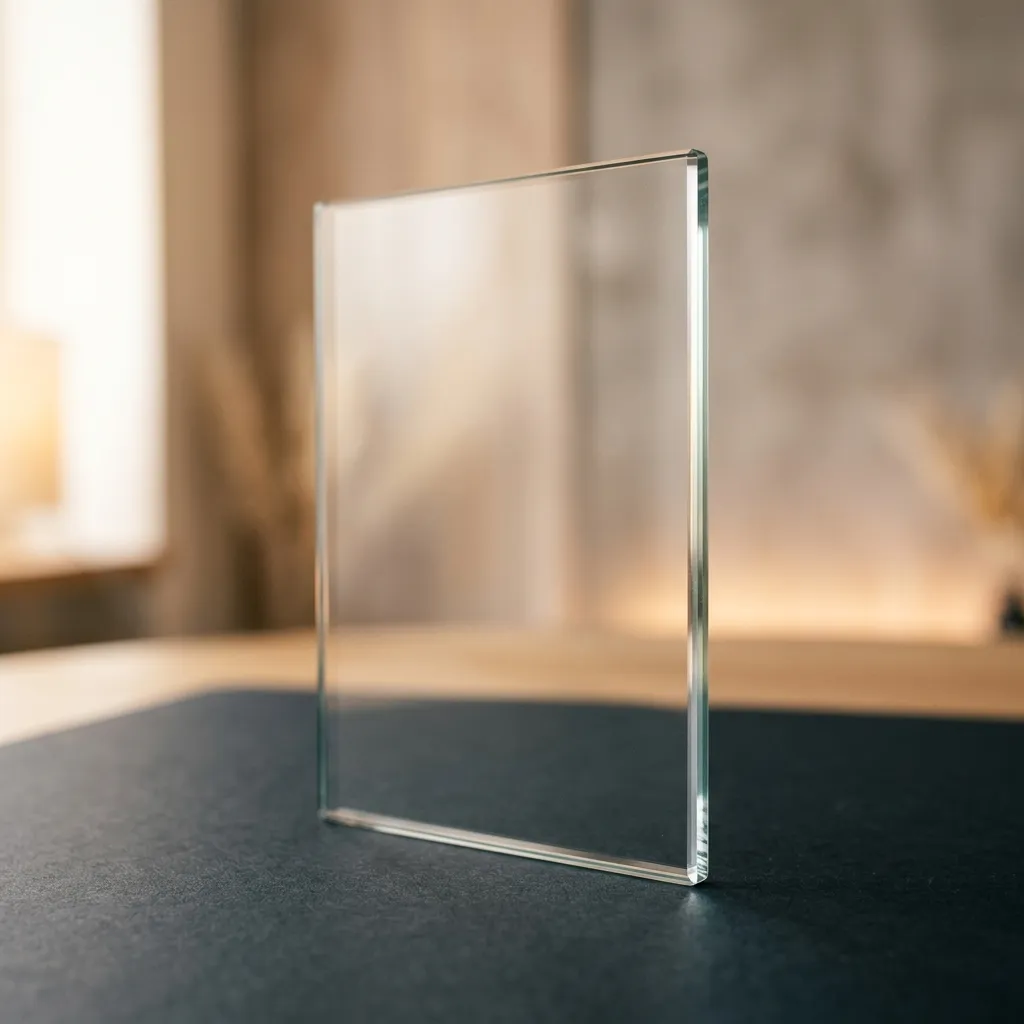
Heat-treated tempered glass is typically used with a thickness ranging from 10 to 12 mm because of its high impact resistance and ability to withstand intensive use, while also providing clear visibility and a high level of safety inside the court.
Artificial Turf
It is preferable to use artificial turf specifically designed for padel, with an appropriate density and fiber structure, along with a layer of silica sand to stabilize the fibers, improve player traction, and ensure balanced ball rebound during play.
Lighting
Padel courts typically use evenly distributed LED lighting units around the court to reduce shadows. The lighting should provide a suitable level of illumination for both training sessions and matches without causing glare that could affect players' visibility.
Selecting these specifications helps create a padel court that delivers consistent performance, reduces maintenance requirements, and provides players with a safer and more professional playing experience.
How Is a Padel Court Built Step by Step?
Building a padel court requires following carefully planned stages to ensure construction quality and compliance with technical specifications. Performing each stage accurately helps produce a safe court that remains ready for use over the long term.
The main construction stages include:
- Site inspection: Assessing the land area and its condition and ensuring that it is ready for construction work.
- Concrete foundation preparation: Constructing a level foundation capable of supporting the structure and all court components.
- Metal structure installation: Securing the metal frame according to the approved measurements and ensuring proper alignment and stability.
- Glass and net installation: Installing the tempered glass panels and net using suitable fixing systems.
- Artificial turf installation: Laying the artificial turf specifically designed for padel and adding infill granules when required.
- Lighting and final equipment installation: Installing lighting poles and fixtures, followed by a final inspection to ensure that the court is fully ready for use.
Following these stages in the correct order helps ensure that the padel court meets quality and safety standards before moving on to evaluating its economic feasibility and investment potential.
Is a Padel Court Project a Successful Investment?
Padel courts are among the sports projects that have experienced significant growth in recent years due to increasing demand for the sport among different age groups. The project can operate for long hours each day, with multiple revenue sources including court rentals, memberships, training programs, and tournament organization, which can create opportunities for a steady return.
However, the success of the project does not depend solely on market demand. It is also closely linked to construction quality, the selection of suitable materials, and compliance with standard specifications. These factors help reduce maintenance costs and preserve court efficiency over the long term, which directly contributes to player satisfaction and investment returns.
If you are planning to build a padel court according to standard specifications, Be Glass provides integrated solutions for professional padel court construction. Contact us today for a technical consultation and a quotation suitable for your project.
How Do You Choose a Padel Court Design and Construction Company?
The success of a padel court depends not only on the quality of its materials but also on the experience of the construction company and its ability to comply with technical specifications throughout every stage of the project. Therefore, when comparing companies, the focus should be on quality and experience rather than price alone.
When choosing a padel court design and construction company, consider the following:
- Experience in building padel courts: Reviewing previous projects helps evaluate the company's construction quality.
- Compliance with standard specifications: Ensure that the court is built according to approved dimensions and material standards.
- Material quality: Use tempered glass, a strong metal structure, and artificial turf specifically designed for padel.
- Specialized technical team: Ensures precise installation and the safety of all court components.
- Transparent quotation: The quotation should include all construction items without undisclosed costs.
- Warranty and after-sales service: The company should provide technical support and maintenance when needed.
Choosing a specialized company helps create a padel court that combines quality, durability, and professional performance while delivering the best possible return on investment. If you are looking for a company with experience in building padel courts according to technical specifications, Be Glass provides integrated solutions starting from project assessment and design through supply, installation, and final handover, while maintaining material quality and construction accuracy at every stage.
Why Choose Be Glass to Build Your Padel Court?
Be Glass provides integrated solutions for professional padel court construction, using high-quality materials and modern technologies to ensure safety and durability. The company is committed to precise execution based on the requirements of each project, delivering both practical performance and a professional appearance.
The key benefits of working with Be Glass include:
- Designing professional padel courts in accordance with modern international standards.
- Precise construction that ensures the highest levels of player safety.
- Using modern technologies to extend the court's service life.
- A specialized team with extensive experience in building padel courts.
- Commitment to deadlines and timely project delivery.
- Customized solutions tailored precisely to the needs of each project.
- Competitive prices combined with high quality and comprehensive services.
- Using high-quality glass capable of withstanding impacts and varying conditions.
Be Glass's experience in building and equipping padel courts helps deliver solutions that combine quality and safety while meeting the requirements of modern sports projects.
Conclusion
Successfully building a padel court requires careful consideration of technical specifications, the selection of high-quality materials, and professional construction that ensures optimal performance and long-term investment value.
If you are looking for an experienced partner to build professional padel courts, Be Glass provides integrated solutions using high-quality tempered glass, with precise installation that takes the requirements of each project into account. Contact us today for a technical consultation and a quotation tailored to your needs.
Frequently Asked Questions
What Is the Cost of a Padel Court Project in Egypt?
The cost of constructing a padel court in Egypt varies depending on the project size, type of glass, quality of artificial turf, lighting system, and specifications of the metal structure. Therefore, it is preferable to request a site inspection and a detailed quotation from a specialized company such as Be Glass to ensure that the project meets the required specifications and budget.
What Are the Requirements for Building a Padel Court?
Building a padel court requires compliance with standard dimensions, the use of certified tempered glass, a durable metal structure, artificial turf, and lighting that meet the required specifications, along with professional installation that ensures safety and high-quality performance. Be Glass provides solutions that take these standards into account to achieve the best possible project results.