 LATEST INSIGHTS
Storefronts represent the first point of contact between a business and its customers, which is why they play an essential role in shaping first impressions and strengthening brand identity. A carefully designed storefront does more than create an attractive appearance; it also helps display products clearly, attract passersby, and provide customers with a better experience from the moment they first see the store.
With the wide variety of materials and designs available, choosing the right storefront may require a clear understanding of the different options and the factors that affect installation quality and cost. In this article, we explore the best types of modern storefronts, the difference between glass and cladding storefronts, how to choose a suitable design based on the type of business, the role of lighting and signage, the factors that influence cost, and the key criteria for selecting a company specializing in storefront design and installation.
Continue reading to learn more with Be Glass, the best modern storefront company in Egypt in 2026.
Best Types of Modern Storefronts
Storefronts are available in a wide range of designs and materials. Each type offers specific characteristics that make it suitable for certain applications. Understanding the advantages of each option can help you make a decision that matches the needs of your project.
The best types of modern storefronts include the following:
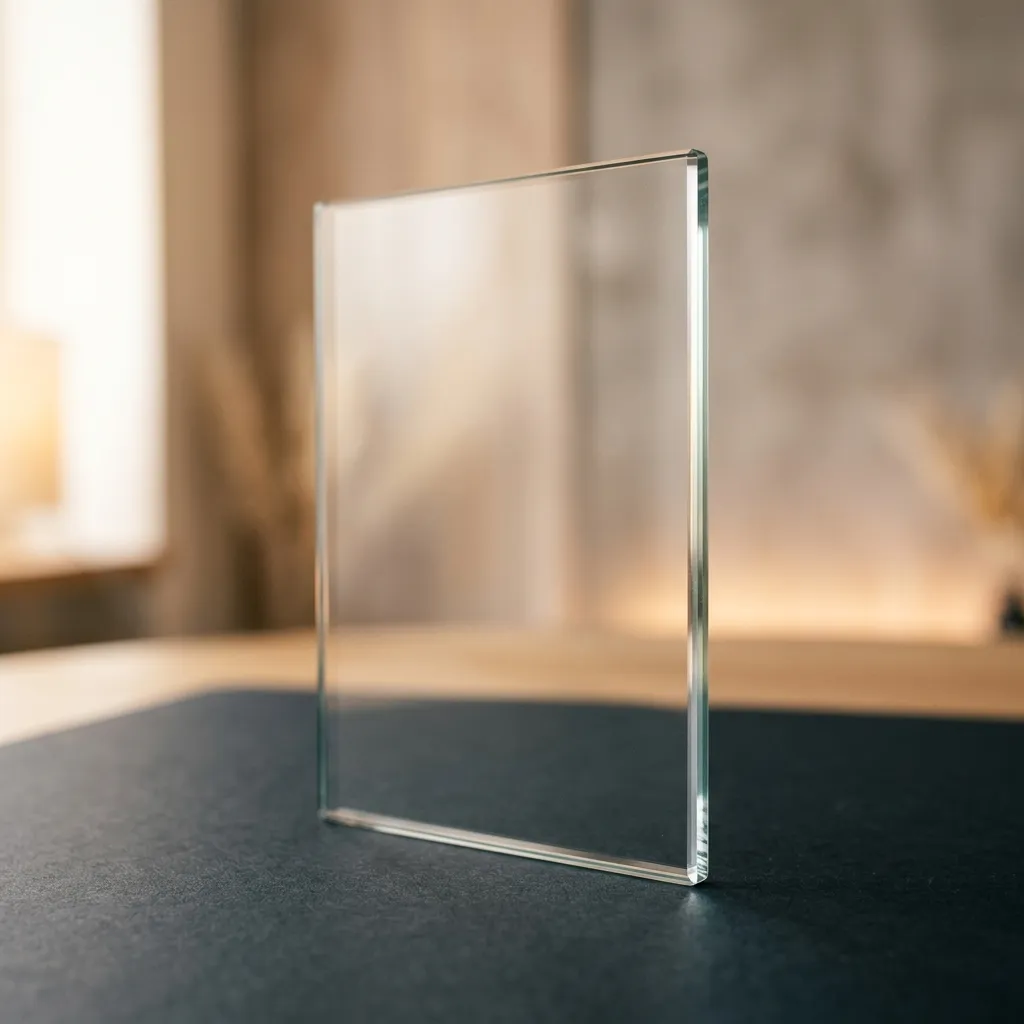
Tempered Glass Storefronts
Tempered glass is one of the most widely used materials in commercial storefront design. It is commonly used for clothing stores, electronics shops, perfume stores, restaurants, showrooms, and other businesses that rely on displaying their products to passersby.
This type of glass undergoes a thermal treatment process that increases its strength compared to ordinary glass, allowing it to withstand impact and temperature changes more effectively.
Its main advantages include:
- Giving the store a modern appearance.
- Allowing products to be seen clearly.
- Withstanding daily use.
- Being easy to clean and maintain.
- Being available in various sizes and thicknesses.
Tempered glass can also be combined with glass doors and stainless-steel fittings to create a coordinated and visually appealing design.
Frameless Glass Storefronts
For businesses seeking an open and spacious appearance, frameless glass systems are an ideal option. These systems use large glass panels while minimizing visible metal elements, creating a wider field of vision and giving the storefront a cleaner, more minimalist appearance.
This type of storefront is suitable for:
- Fashion stores.
- Car showrooms.
- Exhibition halls.
- Jewelry stores.
- Commercial showrooms.
Frameless glass storefronts also allow more natural light to enter the store.
Laminated Glass Storefronts
Laminated glass is used in locations that require an additional level of protection. It consists of two or more layers of glass bonded together with a special interlayer that helps keep the glass intact if it breaks.
For this reason, laminated glass is commonly used in storefronts where higher safety standards are required.
Its main advantages include:
- Enhancing the level of safety.
- Reducing the risk of glass fragments scattering.
- Helping reduce external noise.
- Providing a long service life.
Insulated Glass Storefronts
Insulated glass is a suitable option for stores exposed to direct sunlight or located in busy areas. It usually consists of two glass panels separated by a space that helps reduce the transfer of heat and sound.
Its main benefits include:
- Reducing heat gain.
- Improving energy efficiency.
- Creating a more comfortable indoor environment.
- Reducing external noise.
Glass or Cladding Storefronts: Which Is Better?
This is one of the most common questions store owners ask before installing a storefront. The answer depends on the nature of the business, as there is no single material that is always better than the other.
Glass Storefronts
Glass storefronts are preferable when the main objective is to display products clearly and attract customers from outside.
They are particularly suitable for:
- Clothing stores.
- Shoe stores.
- Mobile phone shops.
- Bookstores.
- Furniture stores.
- Showrooms.
Glass storefronts also create a greater sense of space and allow natural light to enter the store.
Cladding Storefronts
Cladding panels are widely used in the design of commercial and building exteriors. They offer several advantages, including:
- A wide variety of colors.
- Resistance to weather conditions.
- Flexibility in shaping and installation.
- A modern appearance.
Cladding storefronts are often used for:
- Restaurants.
- Banks.
- Corporate offices.
- Clinics.
- Shopping centers.
Can Glass and Cladding Be Combined?
Yes. Many modern storefront designs combine glass and cladding.
For example, the main section of the storefront can be made of glass to display products, while cladding can be installed around the exterior frame to emphasize the store’s visual identity.
This combination creates a balanced appearance that brings together aesthetics and functionality.
How to Choose a Storefront Design Based on the Type of Business
Choosing a storefront design should not depend on personal taste alone. The design should reflect the nature of the business and support the way products or services are presented.
The following points should be considered:
Clothing Storefronts
Clothing stores require wide glass storefronts that allow mannequins and products to be displayed clearly. Suitable lighting should also be used to highlight product details.
The entrance should preferably be open, welcoming, and easy to access.
Jewelry Storefronts
Safety is a fundamental factor in jewelry store design. Laminated glass is therefore recommended, along with a simple design that focuses attention on the displayed products without creating visual clutter.
Carefully positioned lighting can also help highlight the details and brilliance of the jewelry.
Restaurant and Café Storefronts
It is preferable to use storefronts that allow customers to see part of the interior space, as this gives them an impression of the atmosphere inside the restaurant or café.
Glass can also be combined with metal frames or decorative elements that match the brand identity of the establishment.
Pharmacy Storefronts
Pharmacy storefronts should be clear, organized, and easy to recognize. A visible sign and appropriate lighting should be used while maintaining a simple and professional design.
Car Showroom Storefronts
Car showrooms require large glass storefronts that allow vehicles to be seen clearly from outside.
The glass should be suitable for large openings and provide an appropriate level of strength and safety.
The Role of Lighting and Signage in Storefront Design
Even when high-quality materials are selected, a storefront design will not achieve the desired effect without proper attention to lighting and signage.
Both elements complete the overall appearance of the storefront, strengthen the business identity, and attract customers’ attention during both the day and night.
The Importance of Storefront Lighting
Lighting plays an important role in highlighting storefront details and displaying products clearly. It also gives the store a more vibrant, organized, and professional appearance.
Its main benefits include:
- Attracting the attention of passersby, especially during the evening.
- Highlighting products displayed inside the store.
- Improving the customer experience before entering.
- Showing the colors and textures of materials more accurately.
- Strengthening the visual identity of the business.
Lighting units should be distributed evenly so that the storefront is neither excessively bright nor too dim. The main objective is to present the storefront in a way that is comfortable and visually appealing.
Choosing the Right Store Sign
A store sign is not simply a board displaying the business name. It is an important branding tool that introduces the business and strengthens its presence among competitors.
When designing a store sign, several factors should be considered:
- Its size should be proportionate to the storefront area.
- The font should be clear and easy to read.
- The colors should complement the store design.
- The materials should be capable of withstanding weather conditions.
- The sign should be installed safely and securely.
Combining a glass storefront with a carefully designed sign makes the business more visible and easier to recognize from a distance.
What Factors Affect the Cost of Storefronts?
The cost of storefronts cannot be determined using one fixed price, as every project differs in terms of size, design, materials, and installation requirements.
The final cost is influenced by several factors, including:
Type of Glass
The type of glass directly affects the total cost.
For example:
- The price of tempered glass varies according to its thickness and dimensions.
- Laminated glass is usually more expensive because of its additional components.
- The cost of insulated glass depends on the number of layers and its insulation properties.
Storefront Area
The larger the storefront area, the greater the quantity of materials and installation work required, which increases the final cost.
Glass Thickness
Glass thickness is selected according to the nature of the project and the dimensions of the storefront.
Large glass areas usually require thicker panels to provide an appropriate level of strength, stability, and safety.
Type of Fittings and Accessories
Glass storefronts depend on a variety of fittings and accessories, including:
- Hinges.
- Handles.
- Metal connectors.
- Fixing and installation systems.
The prices of these components vary depending on their materials, quality, and country of manufacture.
Design Complexity
The more complex the design, the more time and effort it requires during manufacturing and installation. This can increase the total project cost.
Installation Work
The cost of installation depends on several factors, including:
- The height of the building.
- Ease of access to the project location.
- Whether specialized equipment is required.
- The expected installation period.
Lighting and Finishing Work
When the project includes lighting units or additional finishing work, these elements will also affect the final cost.
For this reason, it is preferable to conduct an on-site inspection before preparing a quotation. This allows all project requirements to be identified accurately.
For anyone planning to install a glass storefront, Be Glass provides consultations and on-site inspections to help customers choose the most appropriate design and materials.
The company delivers precise, high-quality installation to create storefronts that combine a modern appearance with practical performance.
How to Choose a Storefront Design and Installation Company
Choosing the installation company is just as important as choosing the design itself. The quality of installation directly affects the storefront’s appearance, safety, durability, and service life.
When selecting the right company, consider the following criteria:
Review Previous Projects
Examine the projects previously completed by the company. This will give you a clear idea of the quality of its work, finishing standards, and available design capabilities.
Confirm the Quality of Materials
Make sure the company uses materials that are suitable for the nature of the project, with particular attention to the quality of the glass, fittings, and fixing systems.
Ask About the Installation Team
A specialized and experienced installation team helps complete the project accurately and reduces the possibility of problems occurring during the installation process.
Commitment to Deadlines
Completing the project within the agreed timeframe is one of the most important factors to consider, especially for commercial projects linked to specific opening dates.
Providing Appropriate Solutions
A design you like may not necessarily be suitable for your project location. It is therefore important to work with a company that provides practical recommendations based on the nature of the business and the available space.
After-Sales Services
It is preferable to choose a company that provides support after installation, including maintenance, inspection, and the replacement of components when necessary.
For customers seeking a company that combines high-quality materials, precise installation, and modern designs, Be Glass provides integrated solutions for storefront installation using tempered glass, laminated glass, insulated glass, and frameless glass systems.
The company also relies on an experienced team and modern techniques to complete every project according to the customer’s requirements.
Its main objective is to provide storefronts that combine elegance, durability, and safety, giving commercial projects a professional appearance that lasts for years.
The Role of Be Glass in Creating Distinctive Storefronts
The successful installation of a storefront depends on more than selecting an attractive design. It requires a detailed understanding of the nature of the business, the selection of suitable materials, and professional installation that achieves the desired appearance while maintaining safety and durability.
For this reason, Be Glass provides integrated glass solutions for both residential and commercial projects, with a strong focus on quality throughout every stage of the process.
The company begins by studying the project requirements and understanding the nature of the business. The needs of a clothing store, for example, are different from those of a restaurant, pharmacy, or car showroom.
This process helps determine the most suitable glass type and design to make the best use of the storefront area while reflecting the identity of the business.
Be Glass provides a wide range of glass solutions suitable for modern storefront designs, including:
- Glass storefronts made from tempered glass.
- Laminated glass for projects requiring a higher level of safety.
- Insulated glass that helps reduce heat and noise transmission.
- Frameless glass systems that create a modern appearance and wider visibility.
- Glass handrails that complement the design of multi-story commercial projects.
The company uses modern manufacturing and installation techniques, helping it complete storefronts with a high level of precision while paying careful attention to measurements and final finishes.
Another key advantage of Be Glass is its specialized team, which has experience in completing projects of various sizes, from small retail stores to large commercial façades.
The team follows clear implementation plans and quality standards throughout every stage of the project.
The company’s services are not limited to aesthetics. Be Glass focuses on providing solutions that combine elegance and functionality.
Materials are selected to provide durability, ease of use, and a long service life while meeting the essential safety requirements associated with glass storefronts.
Be Glass aims to complete every project according to the customer’s specific needs by providing solutions that suit the nature of the business and the available space.
This approach adds genuine value to the project and creates a modern storefront that reflects the business identity and presents it professionally to customers.
Conclusion
Storefront design is an essential step in creating a professional image for any commercial business. A well-designed storefront is not limited to improving the exterior appearance; it also helps attract customers, highlight products, and communicate the identity of the brand.
By selecting suitable materials and ensuring precise installation, businesses can create storefronts that combine durability, ease of use, and modern aesthetics.
For anyone planning to install a glass storefront, Be Glass offers a variety of solutions, including tempered glass, laminated glass, insulated glass, and frameless glass systems.
All projects are completed with a focus on quality and precision to meet the requirements of both residential and commercial developments.
Frequently Asked Questions
Can a Frameless Glass Storefront Be Installed?
Yes. Frameless glass systems can be installed to give the storefront a clean and minimalist appearance while providing a clearer and wider view of the store from outside.
Does the Cost of a Storefront Vary Depending on the Type of Business?
Yes. Every type of business requires different materials, designs, and installation requirements, which means the total cost varies from one project to another.
What Is the Expected Lifespan of a Glass Storefront?
The lifespan depends on the quality of the materials, the installation method, and regular maintenance. However, a properly installed glass storefront can remain in excellent condition for many years.
Frequently asked questions
Yes. Frameless glass systems can be installed to give the storefront a clean and minimalist appearance while providing a clearer and wider view of the store from outside.
Yes. Every type of business requires different materials, designs, and installation requirements, which means the total cost varies from one project to another.
The lifespan depends on the quality of the materials, the installation method, and regular maintenance. However, a properly installed glass storefront can remain in excellent condition for many years.