
 LATEST INSIGHTS
Are you looking for glass that combines safety, durability, and modern design for your project? If so, tempered glass is one of the most widely used solutions in residential and commercial projects. This is due to its ability to withstand impacts and thermal changes, in addition to its elegant appearance, which makes it suitable for facades, doors, glass partitions, handrails, and many other applications.
However, choosing tempered glass is not based on appearance alone. It is important to understand the available types, the appropriate thickness for each application, and the key benefits it provides to achieve the best performance and a longer service life.
In this article, we cover the main advantages of tempered glass, its types, common applications, and the appropriate thickness for each use to help you choose the ideal glass solution for your project. Be Glass also provides specialized solutions for manufacturing, supplying, and installing heat-treated glass according to precise quality standards to meet the needs of different projects.
What Is Tempered Glass and How Is It Manufactured?
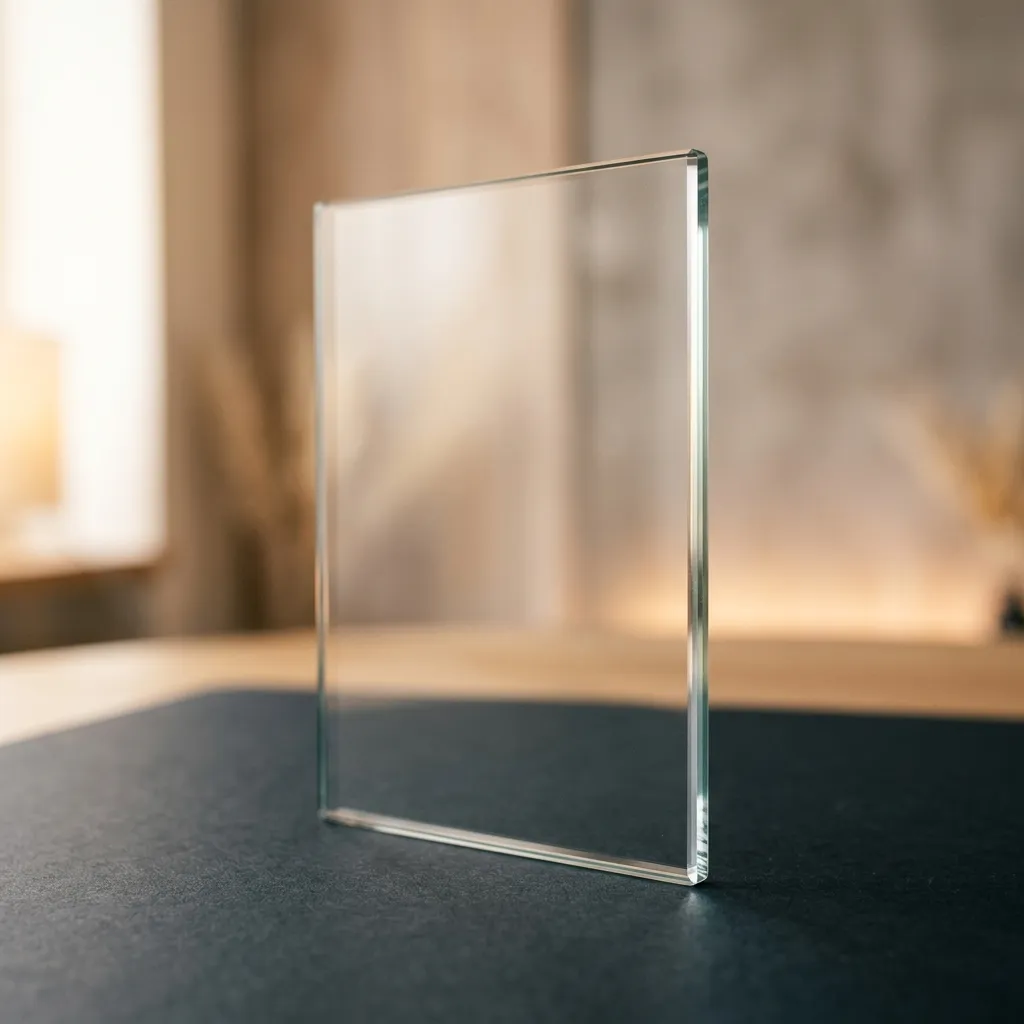
Tempered glass is a type of heat-treated glass that offers 5–7 times greater strength than ordinary glass, making it one of the best options for glass facades, doors, partitions, and commercial storefronts that require a high level of safety and durability.
Tempered glass is manufactured by heating glass panels to high temperatures and then rapidly cooling them using compressed air currents. This process gives the glass greater strength and improved resistance to impacts and thermal changes. When it breaks, it shatters into small, relatively blunt granules, reducing the risk of injury compared with conventional glass.
Because project requirements vary in terms of design and application, tempered glass is available in different types and thicknesses suitable for different applications. In the following section, we explore the types and thicknesses of tempered glass and how to choose the appropriate specification for each project.
Types and Thicknesses of Tempered Glass
Tempered glass is available in various types and thicknesses to meet different project requirements. The appropriate type depends on the intended use, required safety level, and architectural design. Selecting the correct thickness from the beginning helps achieve optimal glass performance and service life.
The main types of tempered glass and their applications include:
- Clear tempered glass: The most commonly used option for facades, doors, and office partitions, providing a modern appearance with high transparency.
- Tinted tempered glass: Available in various colors and used to add an aesthetic touch while helping reduce solar radiation transmission.
- Reflective tempered glass: Reflects part of the sun's rays and reduces heat gain, making it suitable for commercial and administrative building facades.
- Printed or decorative tempered glass: Combines privacy with distinctive designs and is commonly used in offices, homes, and hotels.
- Laminated tempered glass: Consists of two or more layers with an interlayer, providing a higher level of safety for applications requiring additional protection.
Common thicknesses generally start at 6 mm for interior doors and lightweight partitions, while 8 mm is commonly used for glass doors and shower enclosures. 10 mm and 12 mm are more suitable for glass facades, handrails, and commercial projects requiring greater load resistance.
Main Uses of Tempered Glass
After understanding the types and thicknesses of tempered glass, the next step is choosing the appropriate application for each space. Applications vary according to safety requirements, design, and building type.
The main uses include:
- Building glass facades: Gives buildings a modern appearance while withstanding weather conditions, making it widely used for corporate and commercial center facades.
- Doors and interior partitions: Provides an elegant appearance while maintaining natural lighting, making it suitable for offices and retail stores.
- Shower enclosures: Its resistance to moisture and impact makes it one of the most commonly used options in modern bathrooms.
- Glass handrails: Combines safety and elegant design for staircases and balconies without obstructing visibility.
- Commercial storefronts: Displays products clearly and gives storefronts a professional appearance that attracts customers.
- Pergolas and glass roofs: Allows natural light to pass through while providing a high level of durability and resistance to outdoor conditions.
The success of these applications depends on selecting the appropriate specifications for each project. Therefore, it is important to understand the main advantages and disadvantages of tempered glass before making a decision.
Advantages and Disadvantages of Tempered Glass
Tempered glass is one of the most widely used glass solutions in residential, commercial, and administrative projects because it provides strength, an elegant appearance, and a higher level of safety compared with conventional glass. However, it is also important to understand its advantages and limitations to choose the most suitable type for the intended application.
Advantages of Tempered Glass
Tempered glass combines durability with modern design, making it suitable for many architectural applications. Its main advantages include:
- High strength: Provides greater resistance to impact and pressure than ordinary glass.
- High level of safety: When broken, it shatters into small pieces with less sharp edges, reducing the likelihood of injuries.
- Good heat resistance: Can withstand high temperatures and sudden temperature changes better than conventional glass.
- Long service life: Maintains its quality and appearance for long periods when properly installed and used.
- Versatile applications: Can be used for glass facades, doors, handrails, shower enclosures, and more.
- Elegant and modern appearance: Gives spaces a sophisticated appearance while allowing natural light to pass through.
- Easy cleaning and maintenance: Does not require complicated procedures to maintain its appearance and shine.
Disadvantages of Tempered Glass
Despite its many advantages, there are some points that should be considered before choosing tempered glass:
- Difficult to modify after manufacturing: It cannot be cut or drilled after the tempering process, so dimensions and design must be determined accurately before production.
- Higher cost than ordinary glass: Its higher price is due to the heat-treatment processes required to increase its strength and quality.
- Requires specialized installation: Professional technicians are needed to ensure proper fixing and achieve the highest safety levels.
Tempered Glass Price in Egypt
The price of tempered glass starts at approximately EGP 1,950 per square meter for 6 mm glass and can reach approximately EGP 9,100 per square meter for 19 mm glass. These prices refer to the glass panels themselves, while the final facade cost depends on the project area, fixing system, accessories, and installation requirements.
The price of tempered glass varies according to several factors, so there is no fixed cost applicable to all projects. These factors include glass thickness, type, panel dimensions, required finishing, and installation method. Therefore, prices vary from one project to another.
Understanding the factors that affect the price per square meter of tempered glass can help you estimate your project budget more accurately.
What Factors Determine the Price Per Square Meter of Tempered Glass?
After reviewing the average tempered glass price, it is important to understand that the final price does not depend on thickness alone. It is also affected by several technical and installation-related factors.
The main factors include:
- Glass thickness: As thickness increases, manufacturing costs generally increase because more material is required and the glass can withstand greater loads.
- Glass type: Prices vary between clear, tinted, frosted, laminated, and insulated glass.
- Dimensions and design: Large panels or non-standard shapes may require specialized manufacturing and preparation.
- Required finishing: Such as polished edges, holes, and special openings for accessories.
- Accessories and fixing systems: Costs vary depending on the quality of hinges, handles, and fixing profiles.
- Installation and project location: Costs are affected by installation difficulty, facade height, and installation location.
- Required quantity: Large projects may often receive a better price per square meter compared with small orders.
How Do You Choose the Right Tempered Glass for Your Project?
Choosing the right tempered glass depends on the intended use and required technical specifications, not simply on appearance or price.
Consider the following:
- Determine the glass application: Whether it will be used for facades, doors, shower enclosures, or handrails.
- Choose the appropriate thickness: Based on the glass area and required load resistance.
- Select the glass type: Such as clear, tinted, reflective, or laminated glass according to project requirements.
- Consider safety requirements: Particularly for exterior facades and high-traffic areas.
- Ensure manufacturing quality: To achieve greater resistance to impact and thermal stress.
- Work with a specialized company: To ensure proper supply and installation according to engineering standards.
After selecting the appropriate tempered glass, proper care and maintenance after installation are essential for preserving its appearance and performance.
Tips for Maintaining Tempered Glass After Installation
The service life of tempered glass depends not only on manufacturing quality but also on how it is used and maintained. By following a few simple guidelines, you can preserve its appearance and performance for years without frequent repairs.
The main tips include:
- Clean the glass regularly using suitable glass cleaners and a soft cloth to prevent scratches.
- Avoid strong impacts or striking the edges of tempered glass, as the edges are more sensitive.
- Do not use metal tools or abrasive materials when cleaning.
- Inspect accessories and hinges regularly to ensure that they remain secure and properly installed.
- Remove accumulated dust and sand, particularly from exterior facades and doors.
- Consult a specialized technician if you notice any damage to the accessories or changes in glass stability. Avoid making any modifications or cutting the glass after tempering.
Difference Between Tempered, Ordinary, and Laminated Glass
Choosing the appropriate glass type depends on the required safety level, application location, and design requirements. The following comparison highlights the main differences between tempered, ordinary, and laminated glass:
| Glass Type | Technical Features | Main Applications |
|---|---|---|
| Tempered Glass | Heat-treated glass with strength approximately five times greater than conventional glass. In the rare event of breakage, it shatters into small, relatively blunt pieces that reduce the risk of injury. | Glass doors, shower enclosures, partitions, offices, and storefronts. |
| Ordinary Glass | Conventional glass that is not heat-treated. It is relatively economical but breaks more easily and can produce sharp and dangerous shards. | Traditional windows, decorative applications, and simple interior uses where high safety standards are not required. |
| Laminated Glass | Consists of two or more glass layers bonded together with a flexible plastic PVB interlayer, which keeps the glass panel together even after breakage. | High-rise facades, glass floors, banks, and areas requiring maximum protection against break-ins. |
Choosing the right glass type helps achieve the right balance between safety, durability, and aesthetics. At Be Glass, we provide a wide range of glass solutions suitable for residential and commercial projects, with professional manufacturing and installation.
Why Choose Be Glass for Tempered Glass Supply and Installation?
At Be Glass, we provide professional tempered glass supply and installation solutions for residential, commercial, and administrative projects through high-quality manufacturing, advanced technologies, and a specialized team that ensures precise installation combining safety, durability, and modern design according to each project's requirements.
Our key advantages include:
- Experience in glass solutions: We implement various glass projects according to project requirements and quality standards.
- High-quality manufacturing: We use advanced production technologies to provide durable and safe products.
- A wide range of solutions: Including tempered, laminated, and insulated glass, glass facades, and frameless systems.
- Solutions for different projects: Suitable for corporate facades, commercial buildings, and administrative buildings.
- Professional installation: A specialized team ensures precise installation and secure glass fixing.
- Selecting the right solution: We help clients determine the most suitable glass type based on the intended use and design.
- Wide-scale supply: Products are supplied to different governorates across Egypt, with installation services available in Cairo and Giza.
- Design combining aesthetics and performance: Glass solutions that add both functional and aesthetic value to buildings.
With Be Glass, you get integrated glass solutions that combine quality, safety, and modern design to deliver your project to the highest standard.
Conclusion
Choosing the right tempered glass is not simply about aesthetics. It depends on manufacturing quality, installation precision, and how well the glass suits the nature of the project and its intended application. Working with a specialized company is therefore essential to ensuring safe, durable glass with a design that meets your expectations.
At Be Glass, we provide integrated tempered glass manufacturing, supply, and installation solutions for residential, commercial, and administrative projects. We rely on modern production technologies and specialized expertise to ensure the quality of every glass panel and precision throughout the installation process.
Contact the Be Glass team today to find the ideal glass solution for your project and create a design that combines safety and elegance with the highest quality standards.
Frequently Asked Questions
What Are the Best Types of Tempered Glass?
The best type of tempered glass depends on the intended application. Options include clear, tinted, and frosted glass in different sizes and thicknesses. Be Glass provides suitable solutions for different projects with designs that combine safety and elegance.
How Much Does 10mm Tempered Glass Cost Per Square Meter?
The price per square meter of 10mm tempered glass varies depending on the dimensions, type of finishing, order quantity, and installation requirements. It is recommended to contact Be Glass directly to obtain an accurate quotation tailored to your project.