 LATEST INSIGHTS
Structural glass facades are a modern facade system that uses structural silicone and specialized fixing systems to secure glass panels while concealing the external frames. This gives the building a seamless glass appearance that combines elegance with a contemporary architectural style. As a result, structural glass facades are widely used in towers, administrative buildings, shopping malls, and corporate headquarters.
This system allows for the installation of large glass facades while providing high durability and resistance to weather conditions. It also allows more natural light to enter compared with some traditional systems. Installing structural glass facades requires precise engineering design to ensure facade stability and long-term performance.
Start your project with Be Glass and benefit from integrated solutions for designing, manufacturing, and installing structural glass facades using high-quality materials and a specialized team. Contact us today for a professional consultation and a quotation tailored to your requirements.
Components and Types of Structural Glass Systems
A structural glass system consists of several engineering components that work together to secure the glass panels and create a facade that combines durability with a modern appearance. The quality of these components directly affects the performance and service life of structural glass facades. Therefore, they are selected according to the nature of the project and its design requirements. The main components include:
- Glass panels: The primary element of the facade. Their type and thickness are determined according to the required level of safety and insulation.
- Structural silicone: A high-strength bonding material that connects the glass to the supporting structure and helps distribute loads safely.
- Aluminum profiles: Provide the necessary support for the facade while maintaining a streamlined design and minimizing the visibility of metal elements.
- Accessories and fixing systems: Include connectors and auxiliary components that ensure accurate and secure panel installation.
Types of Structural Glass Systems
The performance of structural glass facades depends on selecting the appropriate type of glass. Different types are chosen according to safety requirements, insulation needs, and the nature of the building. In many projects, more than one type of glass can be combined within the same panel to achieve higher levels of protection and insulation.
Tempered Glass
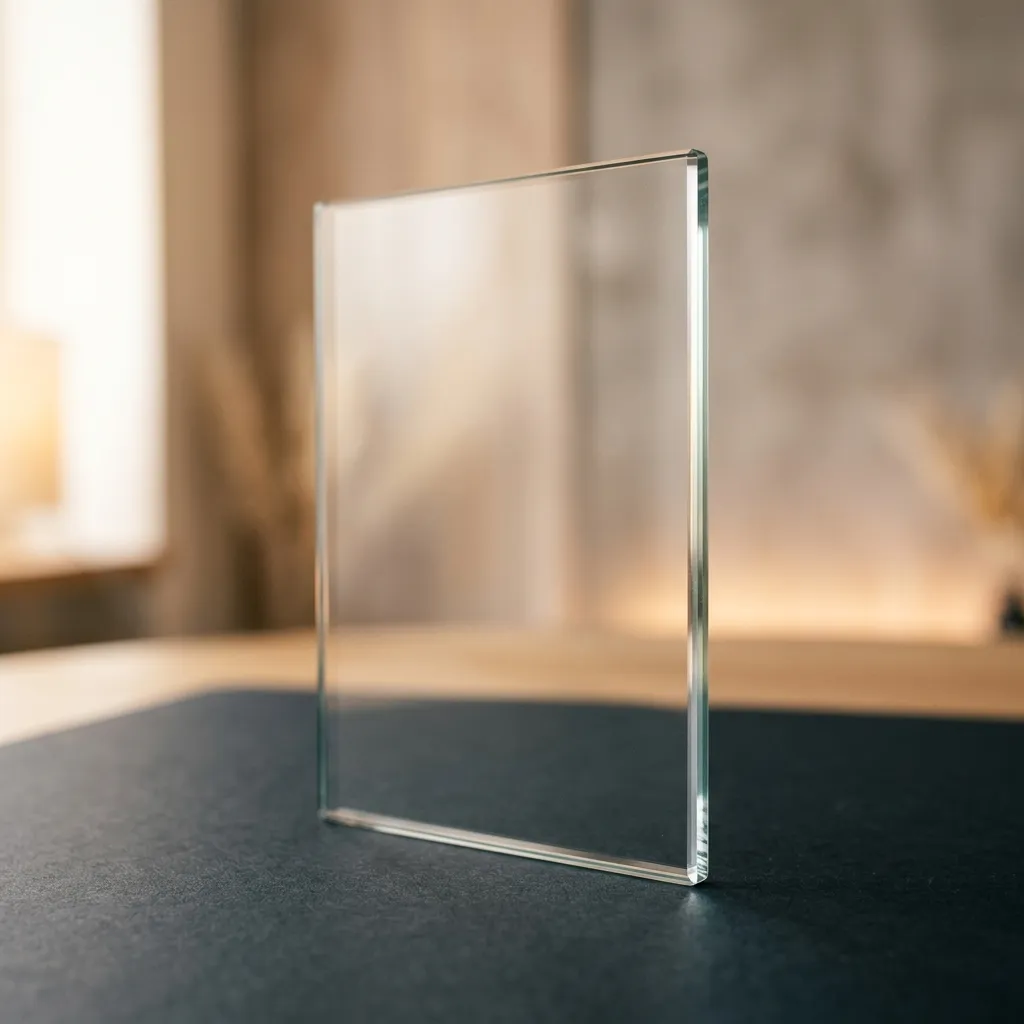
Tempered glass is one of the most commonly used types in structural glass facades. It undergoes heat treatment that increases its strength compared with ordinary glass. It can withstand wind pressure and temperature changes, and when broken, it shatters into small, relatively blunt granules, reducing the risk of injury.
Laminated Glass
Laminated glass consists of two or more layers of glass separated by a special plastic interlayer. This interlayer helps keep the glass fragments together if the glass breaks, increasing safety. Laminated glass also contributes to improved sound insulation and reduces the transmission of ultraviolet (UV) radiation into the building.
Insulated Glass
Insulated glass consists of two glass panes separated by a sealed cavity containing dry air or an insulating gas. This helps reduce heat transfer and improve thermal and acoustic insulation. Therefore, it is widely used in administrative and commercial buildings that aim to improve energy efficiency and occupant comfort.
Low-E Glass
Low-E glass helps reduce heat transfer while allowing natural light to enter, making it a suitable option for projects that prioritize energy efficiency.
The appropriate glass type is selected according to the project's location, building height, intended use, and safety and insulation requirements to ensure optimal long-term performance of the structural glass facade.
Suitable Glass Thickness for Structural Glass Facades
The thickness of glass used in structural glass facades varies depending on several factors, including building height, panel dimensions, project location, and the required level of safety and insulation. Therefore, there is no single glass thickness suitable for all facades. Instead, the appropriate thickness is determined based on engineering calculations and the requirements of each project. Common thicknesses include:
- 8 mm glass: Suitable for some interior facades or projects with lower loads.
- 10 mm glass: A common option for many commercial and administrative facades due to its balance between strength and cost.
- 12 mm glass or thicker: Used for large projects or facades requiring greater load-bearing capacity, especially in high-rise buildings.
Multiple glass layers can also be combined, such as laminated glass or double glazing, to achieve higher levels of safety as well as thermal and acoustic insulation. Selecting the appropriate glass thickness is an essential step before installing structural glass facades to ensure facade stability and performance.
Steps for Installing Structural Glass Facades
Structural glass facades require precise installation according to specific engineering procedures to ensure glass stability, achieve the desired aesthetic appearance, and maintain the required level of safety and performance. The installation process includes the following stages:
- Preparing and installing the metal framework: The work begins by installing the network of supporting aluminum profiles and securing them to the building's concrete structure using suitable fixing methods. All levels and alignments are carefully adjusted to ensure that the facade is ready to receive the glass panels.
- Installing the glass panels: Structural glass panels are lifted using specialized equipment designed to handle large panels. They are then secured to the metal framework while maintaining precise gaps between the panels to accommodate expansion and contraction caused by temperature changes.
- Applying structural silicone: This is one of the most important installation stages. The joints are filled with specialized structural silicone used to secure the glass panels. It acts as a primary fixing element, providing the facade with the strength required to withstand loads and weather conditions.
- Installing insulation: After the glass is secured, the appropriate insulation materials are installed, followed by the application of weather-resistant silicone to prevent water and air infiltration and improve thermal and acoustic insulation.
- Final finishing and testing: In the final stage, the entire facade is cleaned, followed by tests to verify the quality of the installation, insulation performance, and safety of all system components before the project is handed over.
Advantages and Disadvantages of Structural Glass Facades
Structural glass facades are characterized by a modern design that gives buildings an elegant and cohesive appearance. They also provide practical solutions for commercial and administrative projects. However, their advantages and potential challenges should be considered before selecting this system.
Advantages of Structural Glass Facades
Structural glass facades offer several benefits that make them suitable for projects focused on modern design and practical efficiency. The main advantages include:
- Modern and luxurious design: They give buildings a seamless glass facade with an elegant appearance suitable for companies and modern projects.
- Increased natural light: They allow more natural light to enter the building, reducing the need for artificial lighting during daylight hours.
- Improved thermal and acoustic insulation: When the appropriate glass is used, structural glass facades can improve indoor comfort and reduce the impact of external factors.
- Design flexibility: They can be implemented in different shapes and sizes to suit the nature of each project.
- Weather resistance: When properly installed according to the required standards, they provide good protection against wind and rain.
- Easy cleaning and maintenance: Their design minimizes the visibility of external frames, helping maintain their aesthetic appearance.
- Increased building value: Glass facades add a distinctive architectural character that reflects the quality of the building's design.
Disadvantages of Structural Glass Facades
Despite their many advantages, several factors should be considered when choosing this system, including:
- Higher cost compared with some traditional facade systems due to the use of specialized materials and installation techniques.
- They require a specialized structural glass contractor in Egypt with sufficient experience to ensure proper installation and facade stability.
- They require regular cleaning and maintenance to preserve their appearance and performance, particularly in high-rise buildings.
Therefore, successful facade installation depends heavily on selecting suitable materials and working with an experienced installation team, especially when installing structural glass facades for commercial and administrative projects.
Main Uses of Structural Glass Facades for Commercial and Administrative Buildings
Structural glass facades are a popular solution for modern building design because they combine a contemporary appearance with extensive natural lighting. They are therefore widely used in projects that prioritize architectural aesthetics and practical efficiency. Their main applications include:
- Corporate headquarters and administrative buildings: They provide a professional appearance that reflects the identity of the organization and creates a brighter working environment.
- Shopping malls and commercial centers: They offer an attractive design and large glass areas that help showcase the building.
- Towers and high-rise buildings: They are suitable for covering large facade areas while maintaining a streamlined appearance.
- Hotels and tourism projects: They add a luxurious touch while allowing occupants to benefit from views and natural light.
- Exhibition halls and showrooms: They help attract attention and showcase products inside the building.
To ensure a safe, high-quality facade, it is recommended to work with a structural glass contractor in Egypt with experience in design and installation according to the appropriate technical specifications.
Structural Glass vs. Curtain Wall: Which Is Better?
Structural glass facades and curtain wall facades are among the most popular solutions used in commercial and administrative building design. Although they may look similar from the outside, they differ in their installation methods, design, and suitable applications. The main differences can be summarized as follows:
| Comparison | Structural Glazing | Curtain Wall |
|---|---|---|
| Installation Method | The glass is secured using high-strength structural silicone, which completely conceals the aluminum profiles from the exterior. | The glass is mechanically secured within a network of visible aluminum profiles. |
| Architectural Appearance | A seamless, streamlined appearance resembling a uniform glass surface without prominent metal divisions. | A geometric grid-like appearance divided by metal profiles, giving buildings a more traditional tower aesthetic. |
| Loads and Building Height | Loads are transferred through the bonding material, making it suitable for medium-rise buildings. | It is suspended as a complete curtain wall from the concrete structure, making it more suitable for high-rise towers. |
| Insulation and Protection | Insulation depends on the quality of the structural silicone and the type of double glazing used. | Provides advanced insulation and excellent rain resistance through drainage channels within the profiles. |
| Common Applications | Luxury corporate headquarters and exhibition spaces that require a clean panoramic facade. | High-rise towers, shopping malls, and projects with very large facade areas. |
There is no universally superior system. The appropriate facade depends on the building's nature, the desired design, and the level of insulation and safety required by the project. Therefore, working with an experienced structural glass contractor in Egypt can help you determine the most suitable solution in terms of quality, cost, and installation efficiency.
After comparing glass facade systems, choosing an experienced company with the necessary expertise and technology becomes essential to achieving the best results.
Why Choose Be Glass for Structural Glass Facades?
When installing structural glass facades, you need a company with expertise in selecting the right materials and delivering precise installation to ensure a facade that combines aesthetic appeal with practical performance. Be Glass provides integrated glass solutions for commercial and administrative projects, from manufacturing and supply to installation, using modern technologies and high-quality materials.
Some of the key advantages we offer at Be Glass include:
- Expertise in architectural glass solutions: The company provides solutions tailored to the needs of companies, consulting offices, and various commercial projects.
- High-quality glass manufacturing: We provide various types of glass, including tempered glass, laminated glass, and glass designed for sound and thermal insulation.
- Various facade systems: These include structural glass facades, curtain walls, and frameless glass systems to suit different architectural designs.
- Advanced production technologies: At Be Glass, we rely on modern production lines to achieve greater precision and consistent quality in every project.
- Specialized design and installation team: Our team oversees every stage of the project, from studying requirements to professionally installing the facade.
- Comprehensive supply and reliable installation services: The company supplies its products to various governorates across Egypt and provides installation services in Cairo and Giza.
- Technical support and pre-installation consultation: We help clients select the most suitable solution and achieve the best balance between quality and cost.
With Be Glass, you get a glass facade that reflects your project's identity and provides long-lasting performance through the expertise of a specialized glass and tempered-glass manufacturer offering integrated solutions for the needs of modern projects.
Conclusion
Structural glass facades give buildings a modern appearance that combines transparency, elegance, and structural efficiency. This has made them a preferred solution for commercial and administrative projects seeking a distinctive design and long-term practical performance. The success of these facades depends on selecting high-quality materials and working with a specialized team experienced in design and installation.
If you are looking for a structural glass contractor in Egypt to create a facade that combines quality, precision, and modern design, Be Glass provides integrated glass solutions tailored to your project's requirements, from manufacturing and supply to professional installation. Contact our team today for a technical consultation and a suitable quotation to implement your glass facade according to the highest quality standards.
Frequently Asked Questions About Structural Glass Facades
What Are the Prices of Structural Glass Facades in Egypt?
The prices of structural glass facades in Egypt vary depending on the type of glass, thickness, project area, and fixing system used. Therefore, it is recommended to request a technical site inspection to obtain a suitable quotation.
What Is the Difference Between Tempered Glass and Structural Glass?
Tempered glass is a type of heat-treated glass characterized by strength and safety, while structural glazing is a facade system in which glass is secured to the structural framework to create a modern architectural appearance.